


Best Buy
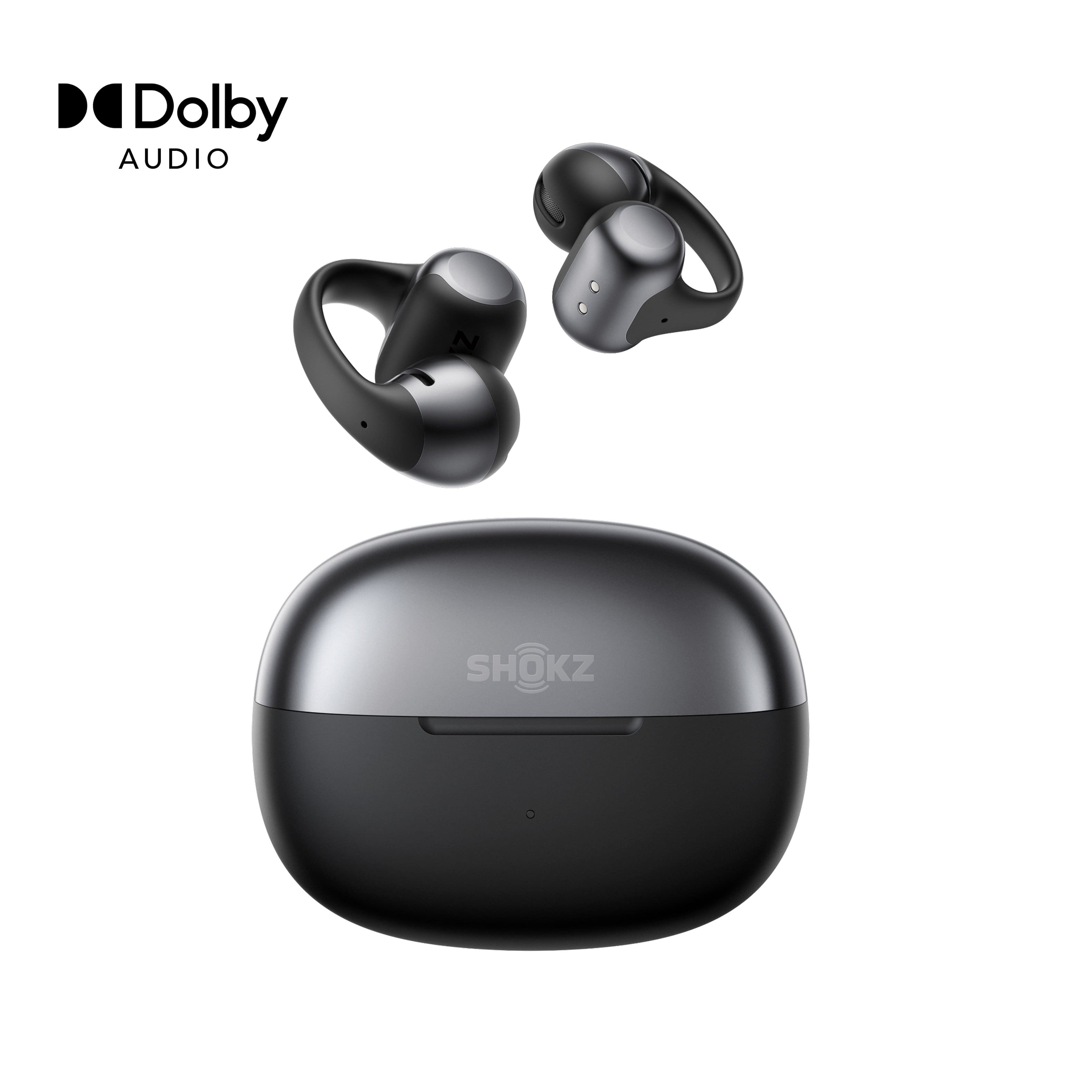
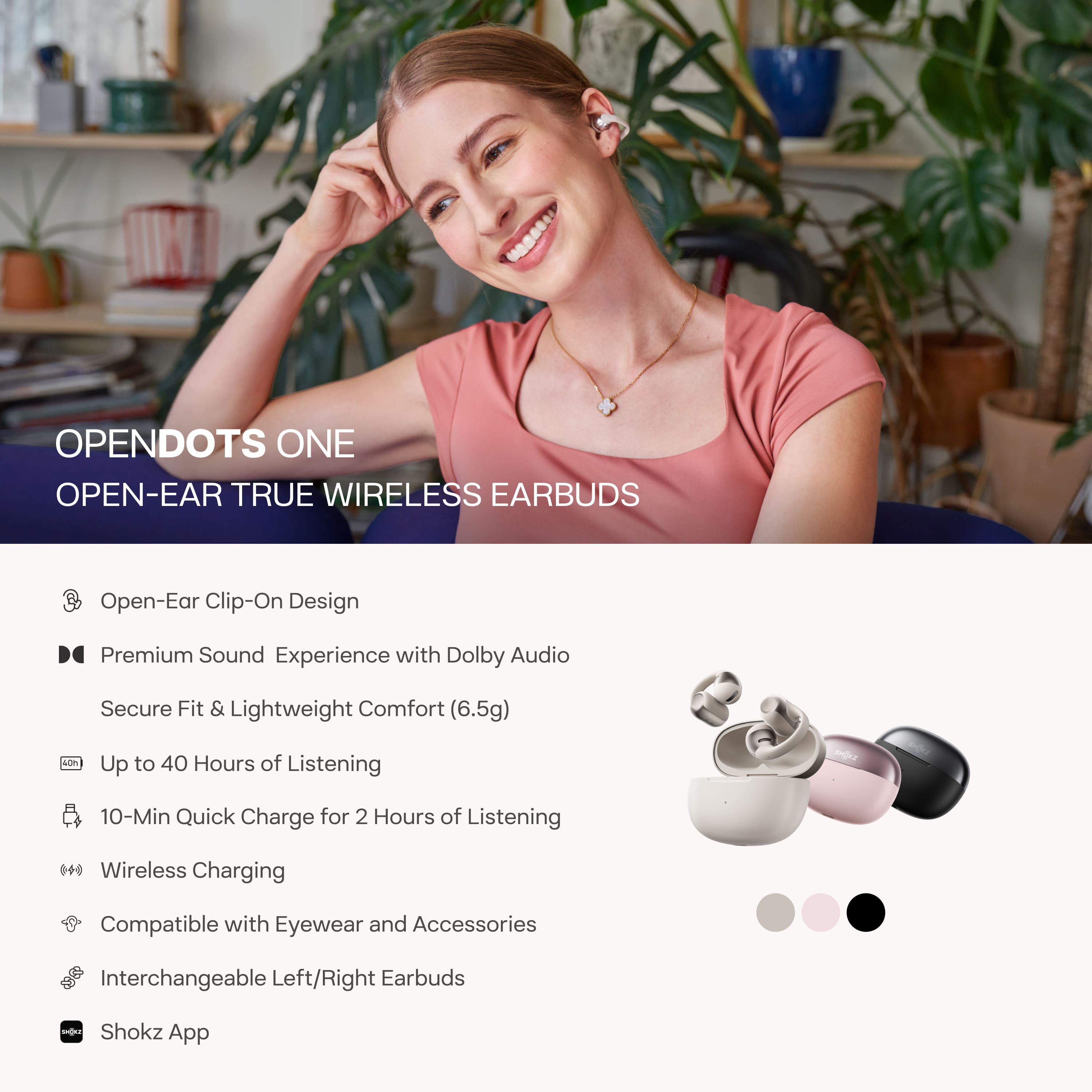
Shokz - OpenDots ONE Open-Ear Clip-On True Wireless Bluetooth Earbuds - Black
$139.99
30% OFF
$199.99
Search by zip code — availability may vary.
Save
Share

Deal insights
Shokz OpenDots ONE Open-Ear Clip-On True Wireless Bluetooth Earbuds are a Good Deal. At $139.99 the price sits in the premium bracket, but the listed specs are largely minimal or unspecified; the product benefits from Shokz's established presence in open-ear formats, while the sparse numeric details make it hard to confirm premium-level performance.
Here is why
When selecting open-ear headphones, focus on audio quality, noise handling, battery and connectivity, and comfort and build. Here is how this product performs:
1.
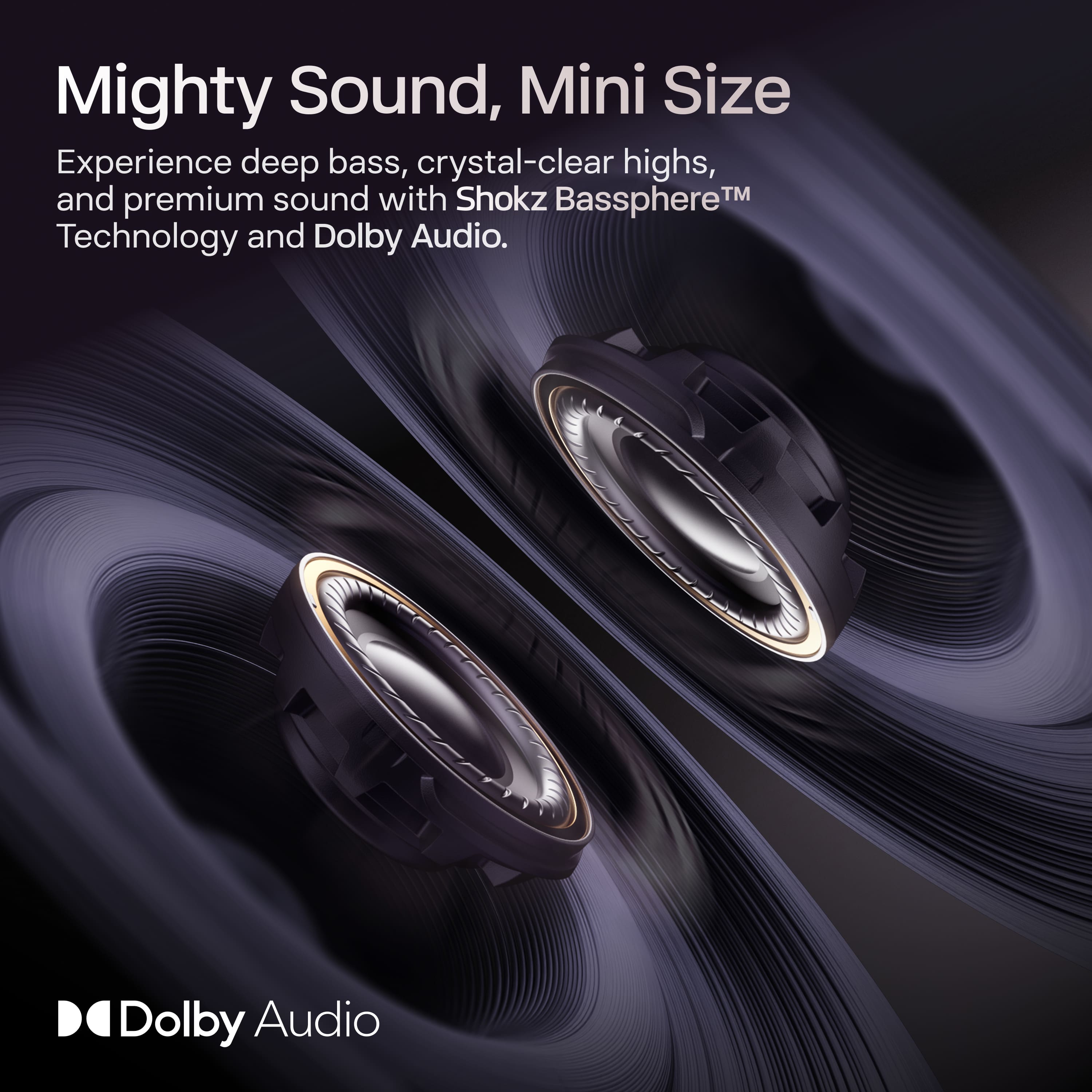
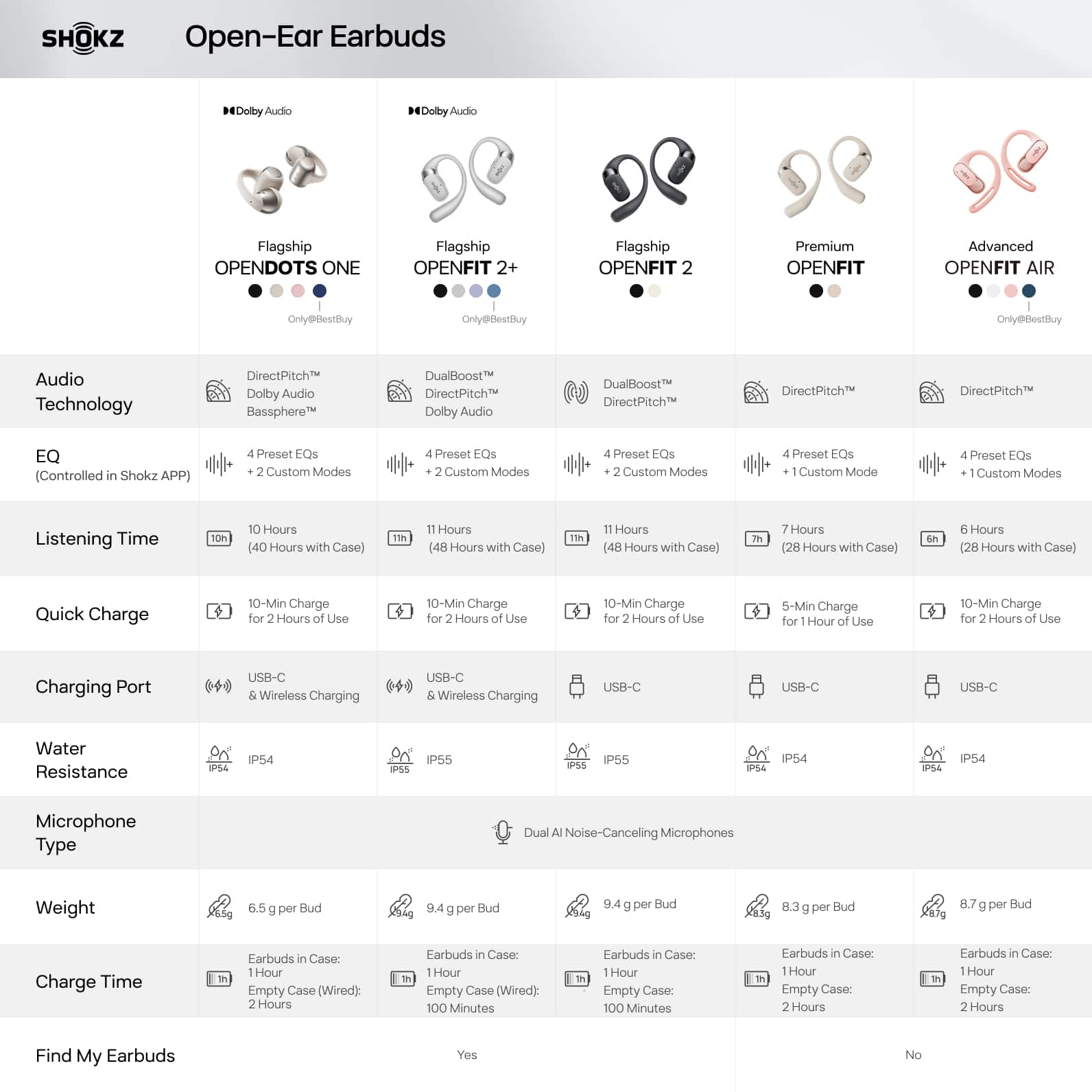
Audio Quality (open-ear design; wireless connection) : At a premium price point, expected audio involves branded tuning or advanced transducers. The listing gives only an open-ear claim and unspecified driver details, which is weaker than typical premium audio descriptions and closer to generic or mid-range benchmarks.
2.
Noise Handling (open-ear awareness; ambient sound) : Open-ear passive awareness matches category expectations. Premium models sometimes add advanced beamforming or ENC for calls; here the lack of ANC and unspecified mic processing is typical for open-ear designs but falls short of higher-end voice isolation claims.
3.
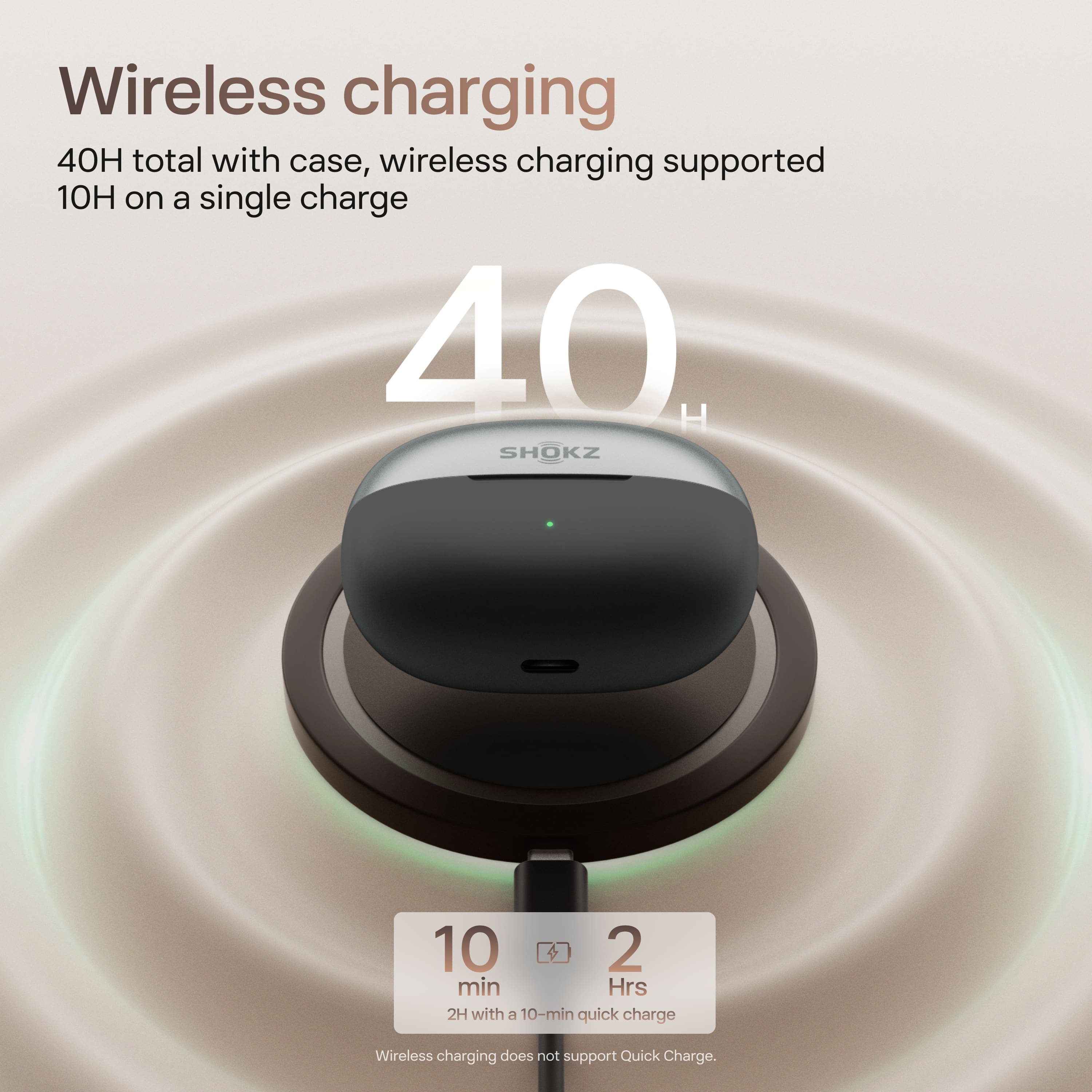
Battery & Connectivity (Bluetooth connection; runtime unlisted; charging unlisted) : Premium open-ear models typically list 8–12 h single-charge and modern Bluetooth features. Missing runtime and charging details limit confidence; buyers should confirm single-charge hours and case behavior since these materially affect daily use.
4.
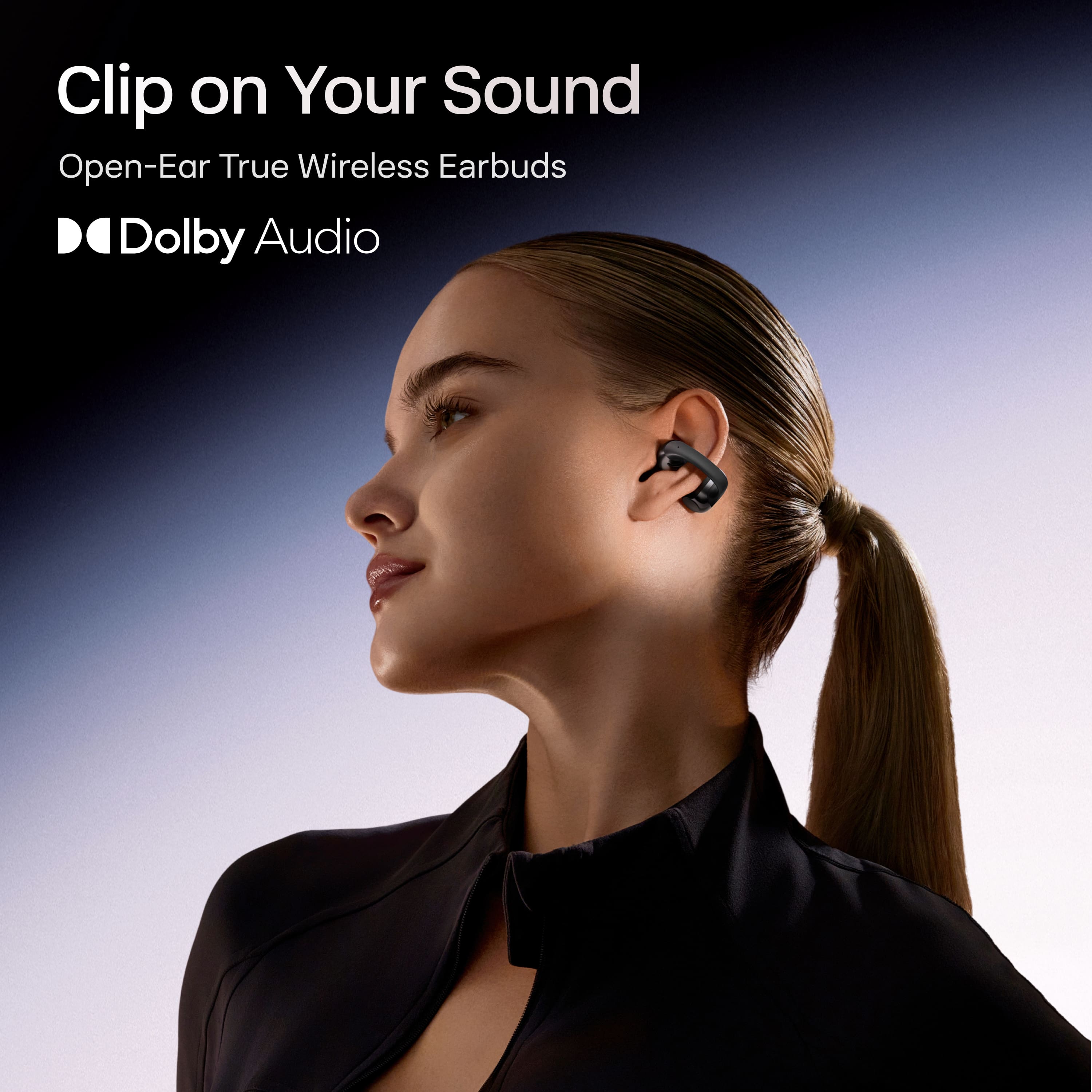
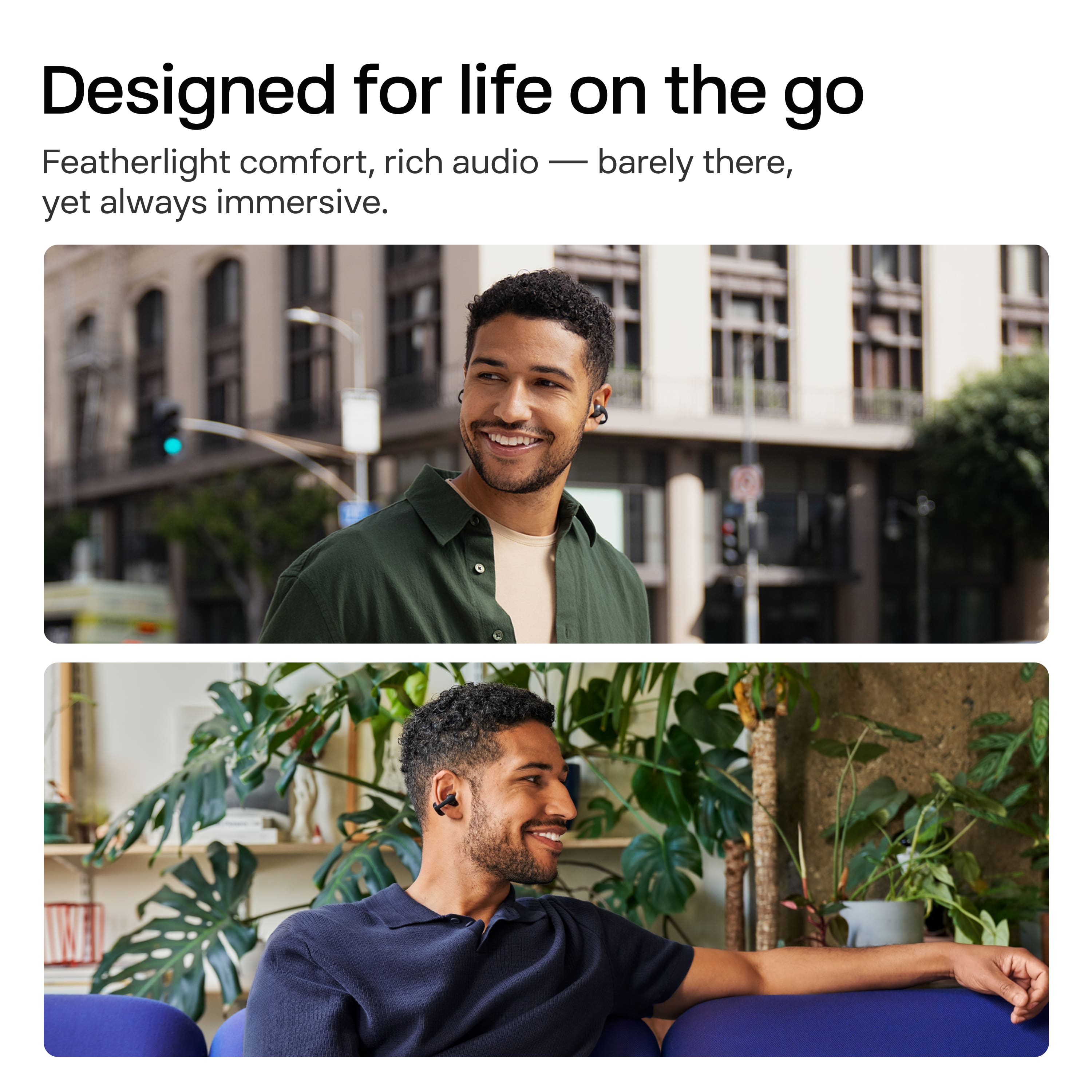
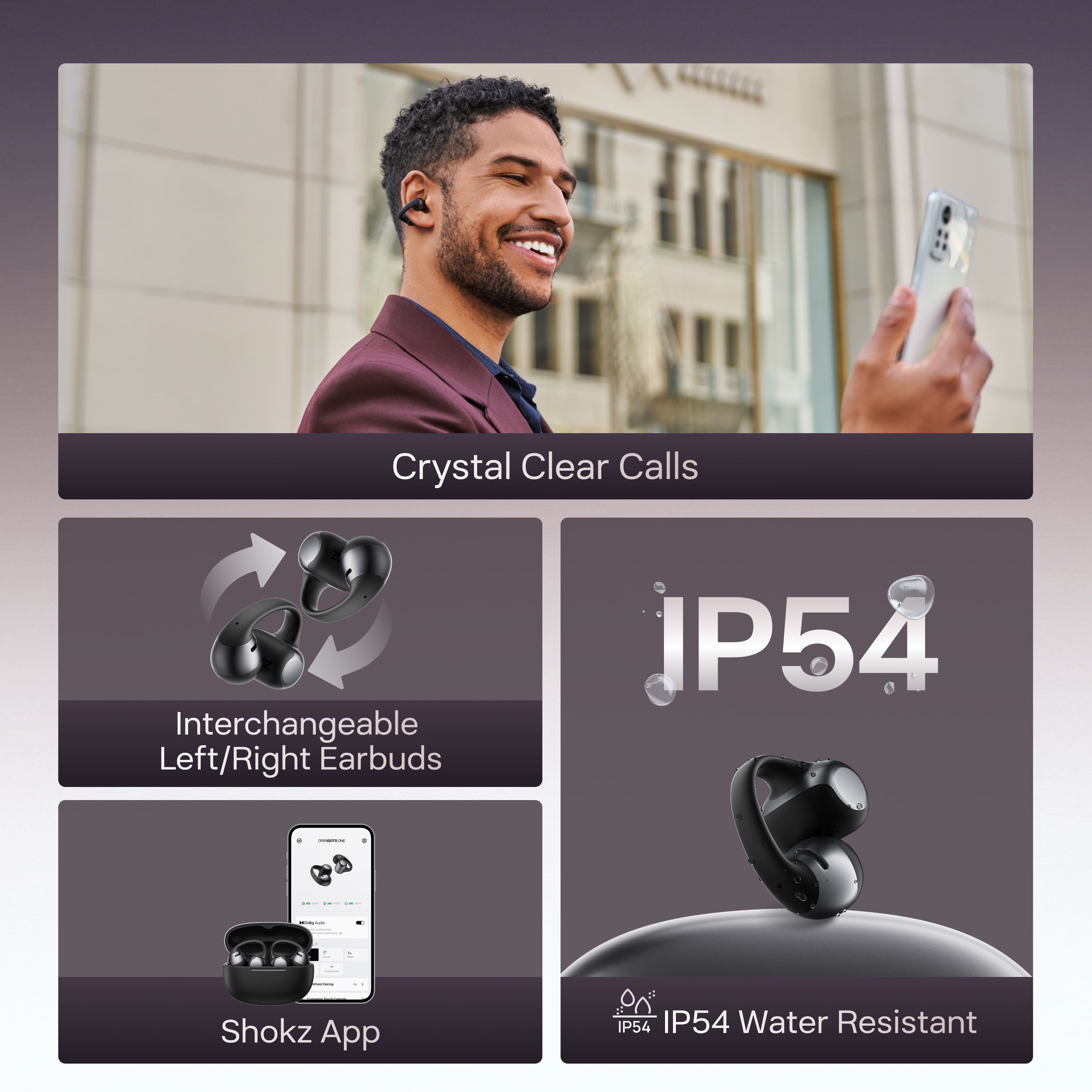
Comfort & Build (clip-on fit; open-ear fit) : Clip-on open-ear fit is typical for sport-focused models and aligns with category comfort benchmarks. Premium offerings often emphasize Ni‑Ti frames or higher-quality finishes; unspecified materials and weight mean fit and long-term comfort should be verified if critical.
Deal price at $139.99: sits in the premium price band for open-ear headphones. No explicit recent price history is provided, so this placement is based on category price ranges and brand positioning; a known brand like Shokz can command higher prices for open-ear designs.
This Good Deal is reasonable for buyers who value an established open-ear form factor and prefer a reputable brand. Price-conscious buyers should double-check runtime, charging details, and exact driver claims on the product page before purchase; consider warranty and return terms if those details matter to you.
Was this helpful?

Koupon may earn commissions on qualifying purchases.