

Amazon
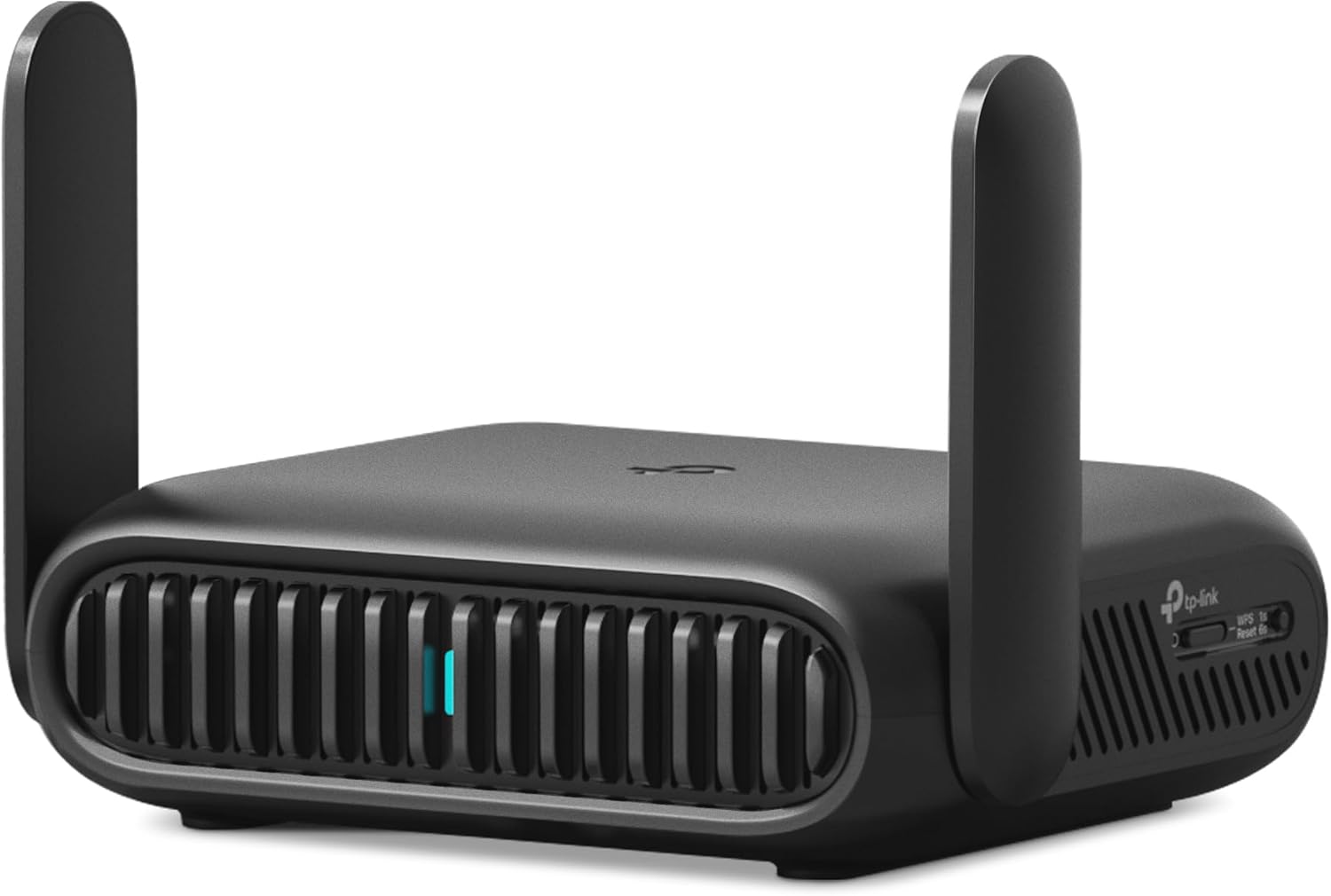
Roam 7 BE3600 Wi-Fi 7 Portable Travel Router Dual-Band, 2.5G Port, USB 3.0
$76.48
41% OFF
$129.99
Save
Share
How to get this price
Verified by KouponFollow these steps to unlock the $76.48 price
- Apply code at checkout for $13.50 off.
- Your final price will be $76.48.

Deal insights
The TP-Link BE3600 Wi-Fi 7 Travel Router is a Great Deal, offering Wi‑Fi 7 capability, multi-gig wired support, and broad VPN/security features at a price below its recent average. The core specs (Wi‑Fi 7 wireless, ~3.6 Gbps aggregate throughput, 2.5 Gbps WAN plus a Gigabit LAN, and full VPN/WPA3 support) punch above typical budget models and align with lower mid-range expectations, improving value for users who want portable multi-gig performance.
Here is why
When selecting computer routers, focus on wireless generation, aggregate throughput, wired ports, and security/management. Here is how this product performs:
1.
Wireless Capabilities (Wi-Fi 7; dual-band 2.4/5GHz; AP/RE/Client modes; OpenVPN/WireGuard) : Wi‑Fi 7 is above typical budget and leans toward mid-range/premium wireless generation. For the inferred mid-range segment, this is noticeably better than typical dual‑band Wi‑Fi 6 travel units and matches the insight that newer wireless generation raises price and capability.
2.
Max Aggregate Throughput (3600 Mbps) : ≈3.6 Gbps aggregate throughput sits near the mid-range typical throughput level and is noticeably higher than many budget travel routers. Benchmark notes caution that advertised aggregate Mbps can be optimistic, but the figure aligns with mid-range expectations for an AX/BE-class device.
3.
Wired Connectivity (2.5 Gbps WAN; 1 Gbps LAN; USB-C power) : Presence of a 2.5 Gbps WAN port is better than typical budget wired setups and matches mid-range expectations where multi-gig is becoming common. This wired mix is a clear value signal for buyers who want faster uplinks than standard gigabit travel routers.
4.
Security & Management (WPA3; OpenVPN/WireGuard; app control) : This feature set is stronger than typical budget offerings and aligns with mid-range benchmarks that include VPN client/server and WPA3. Broad VPN and management features are available across tiers, so while useful, they are a weaker direct price driver on their own.
Deal price at $76.48: sits in the lower-to-mid end of the mid-range band for consumer routers given current benchmarks. It is priced below its recent 30-day average of about $93.9, which makes the offer more attractive for a recognized brand like TP-Link.
Overall, this Great Deal fits travelers and small-office users who want newer Wi‑Fi 7 features and a 2.5 Gbps uplink without paying premium prices. Confirm warranty/return terms and check that your devices can benefit from Wi‑Fi 7 or the 2.5 Gbps link; renewed/open-box condition is not indicated, so standard new-product expectations apply.
Was this helpful?

 Editor's note
Dual-Band
Portable
Secure Network
High Speed
Multi-Gigabit
Koupon may earn commissions on qualifying purchases.